Dispatches

Short notes and observations on music, books, and culture.

Dispatch No. 9

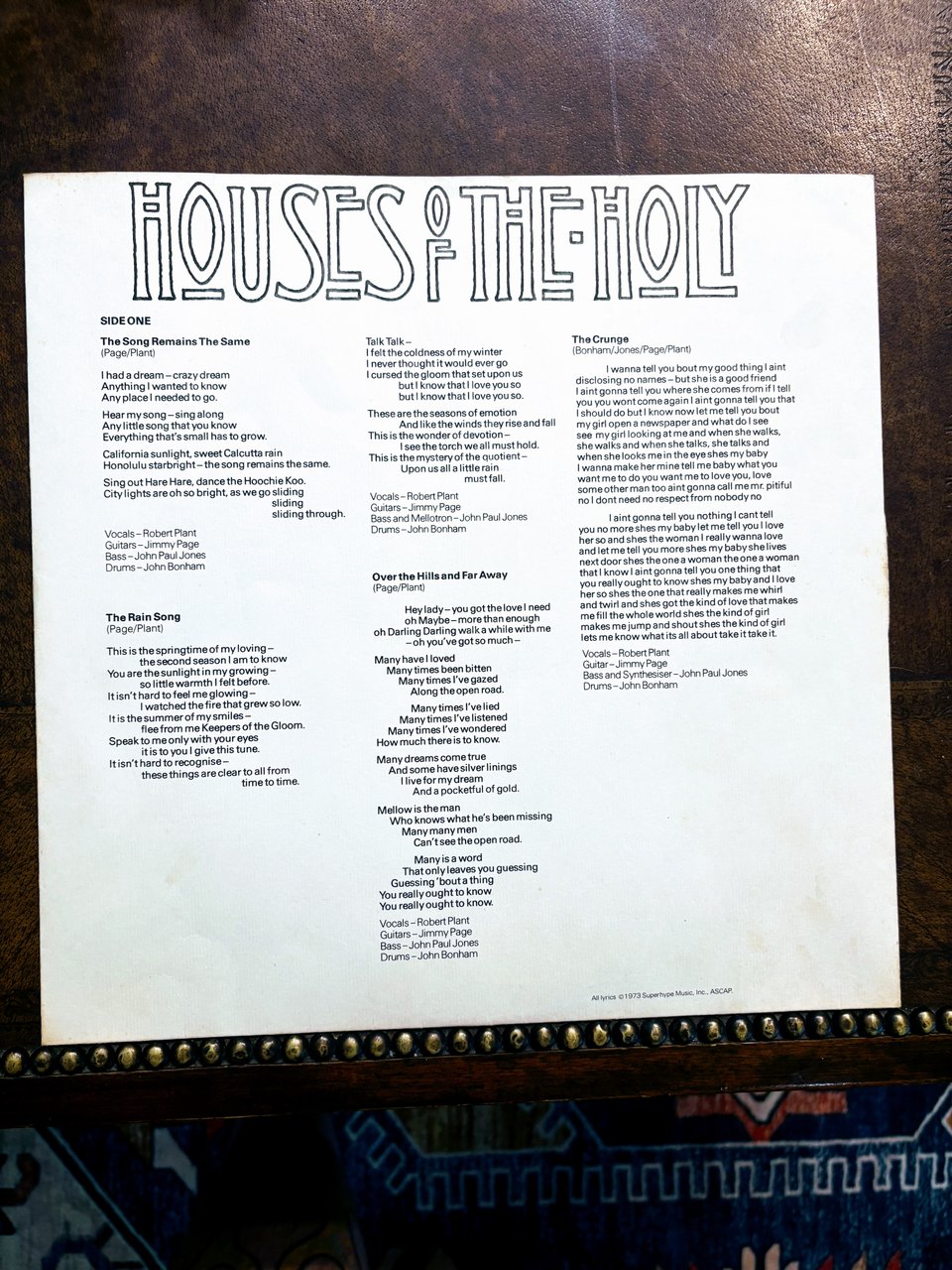
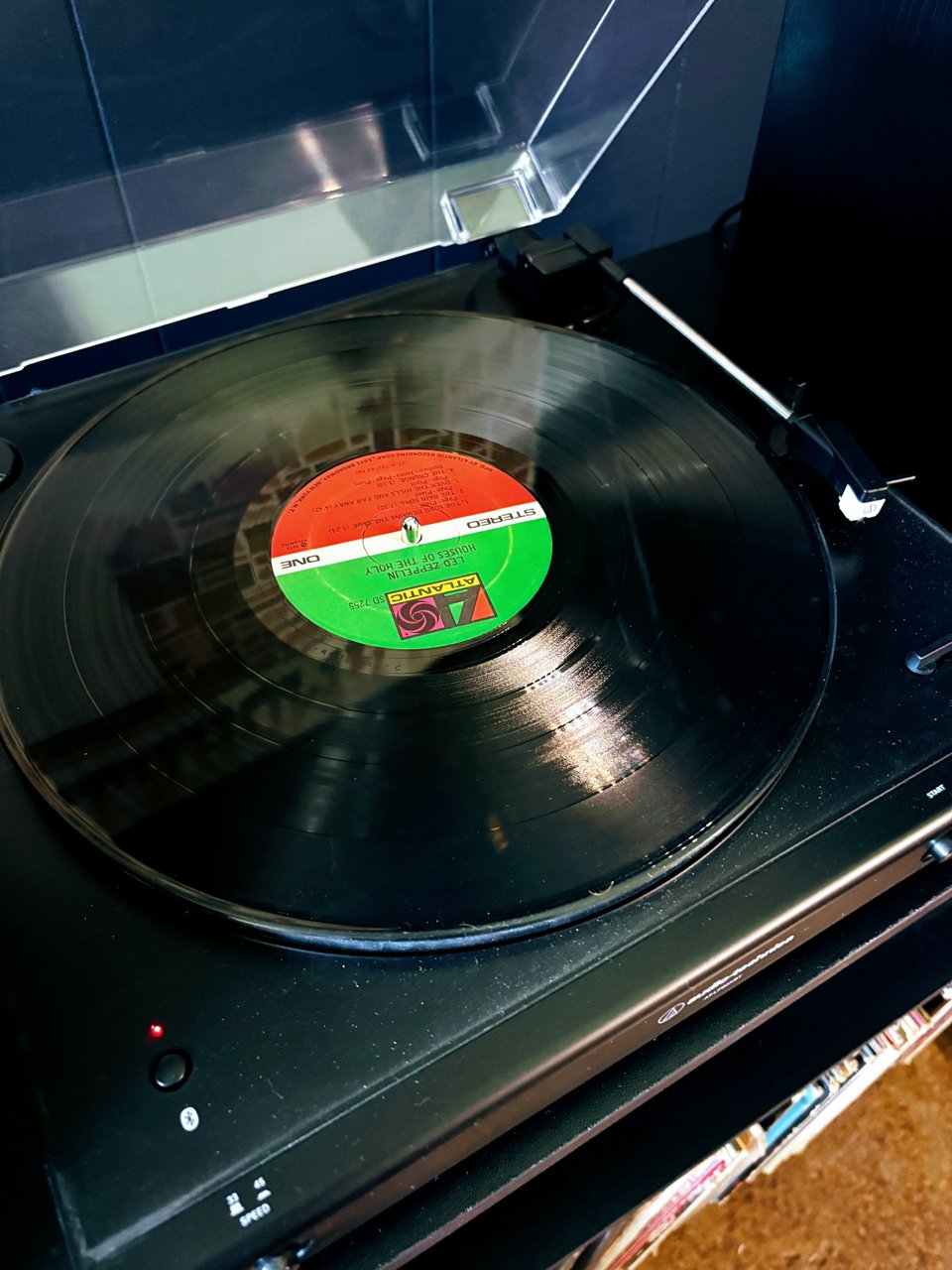
Led Zeppelin was always on the radio, or at least it seemed that way. You could flip to 94.7 WCSX, 101.1 WRIF, or any of the other rock stations in metro Detroit and hear Robert Plant's voice. In a way it made Led Zeppelin a commodity. Their music was so good it was just a given that, no matter where you were, it would be playing. It was, and still is, impossible not to feel at least a tiny bit more hopeful when you hear "Whole Lotta Love", "Going to California", or "Ramble On."

For better or worse, because their music was always on the radio, I never had any Led Zeppelin CDs. I listened to them every day anyway.

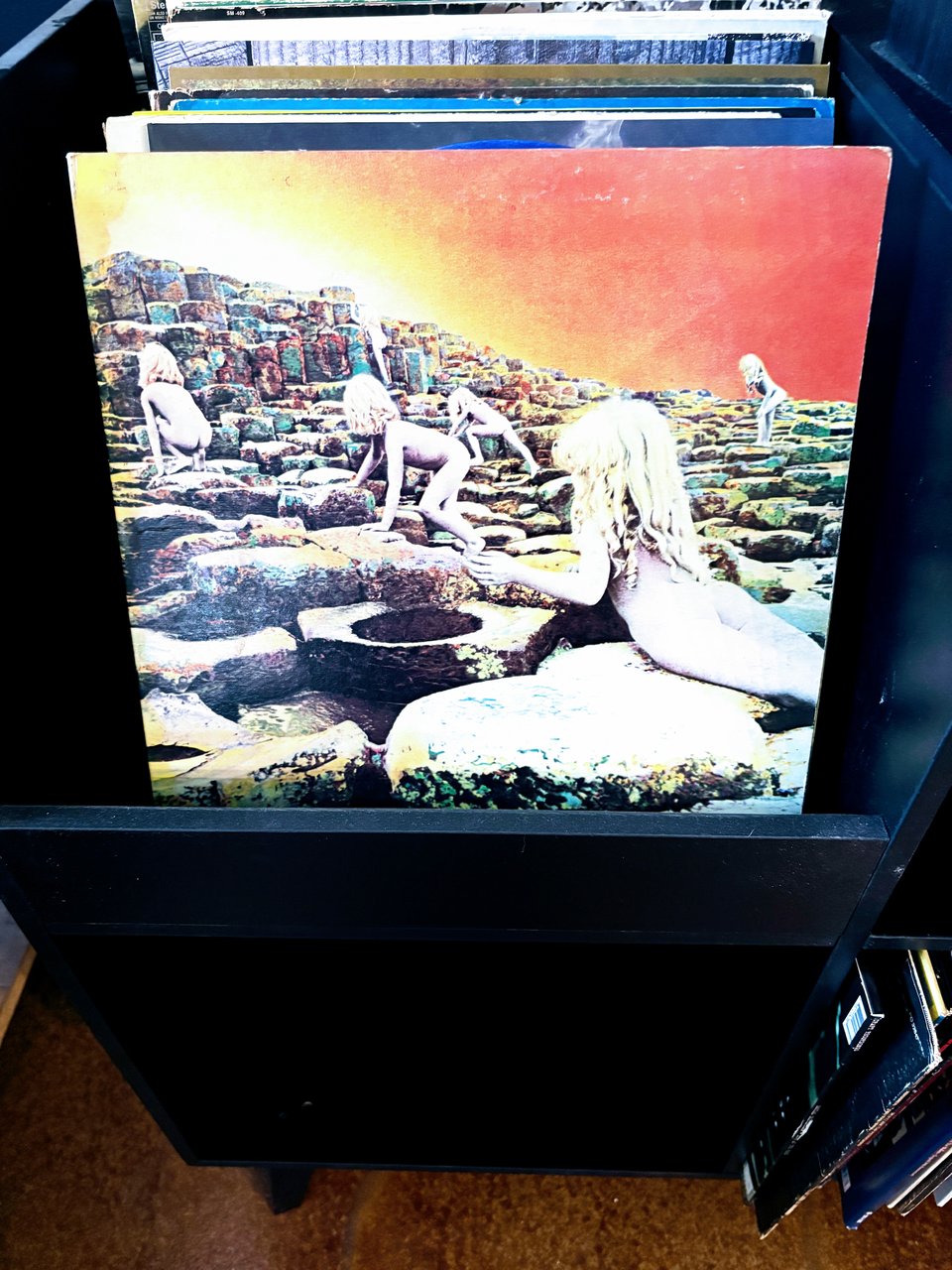
Sitting down and listening to Houses of the Holy all the way through brought back memories of summer road trips and bonfires. Most of all, it made me slow down and realize that it's all going to turn out just fine.
Dispatch No. 8

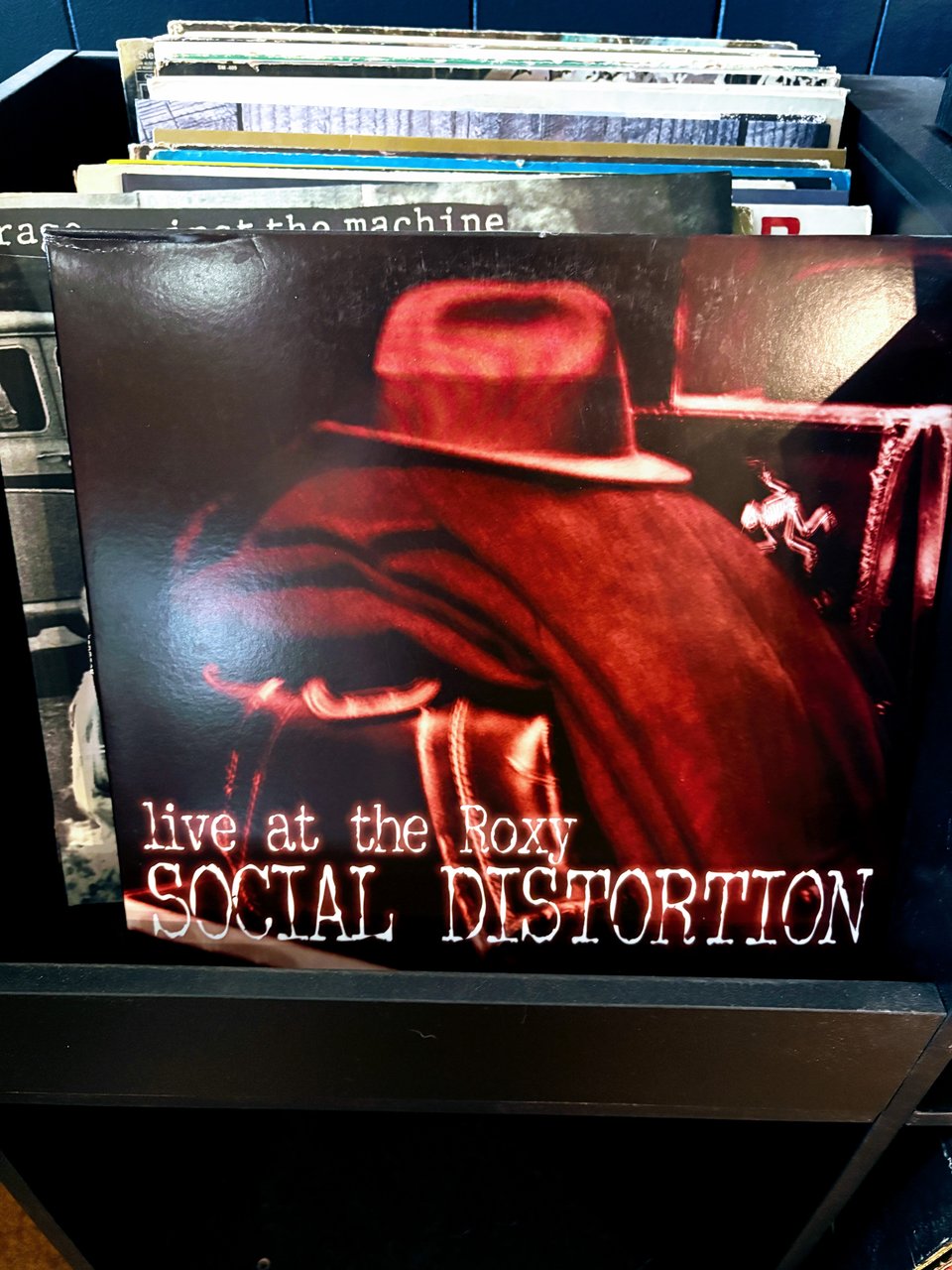
Listening to Social Distortion brings me back to Camp Pendleton in the early 2000s. I grew up listening to classic rock and blues, and Social Distortion has a lot of that groove in their music. They were my introduction to punk rock.

From that point on, Mike Ness became, and still is, the king of cool in my world.

Dispatch No. 7

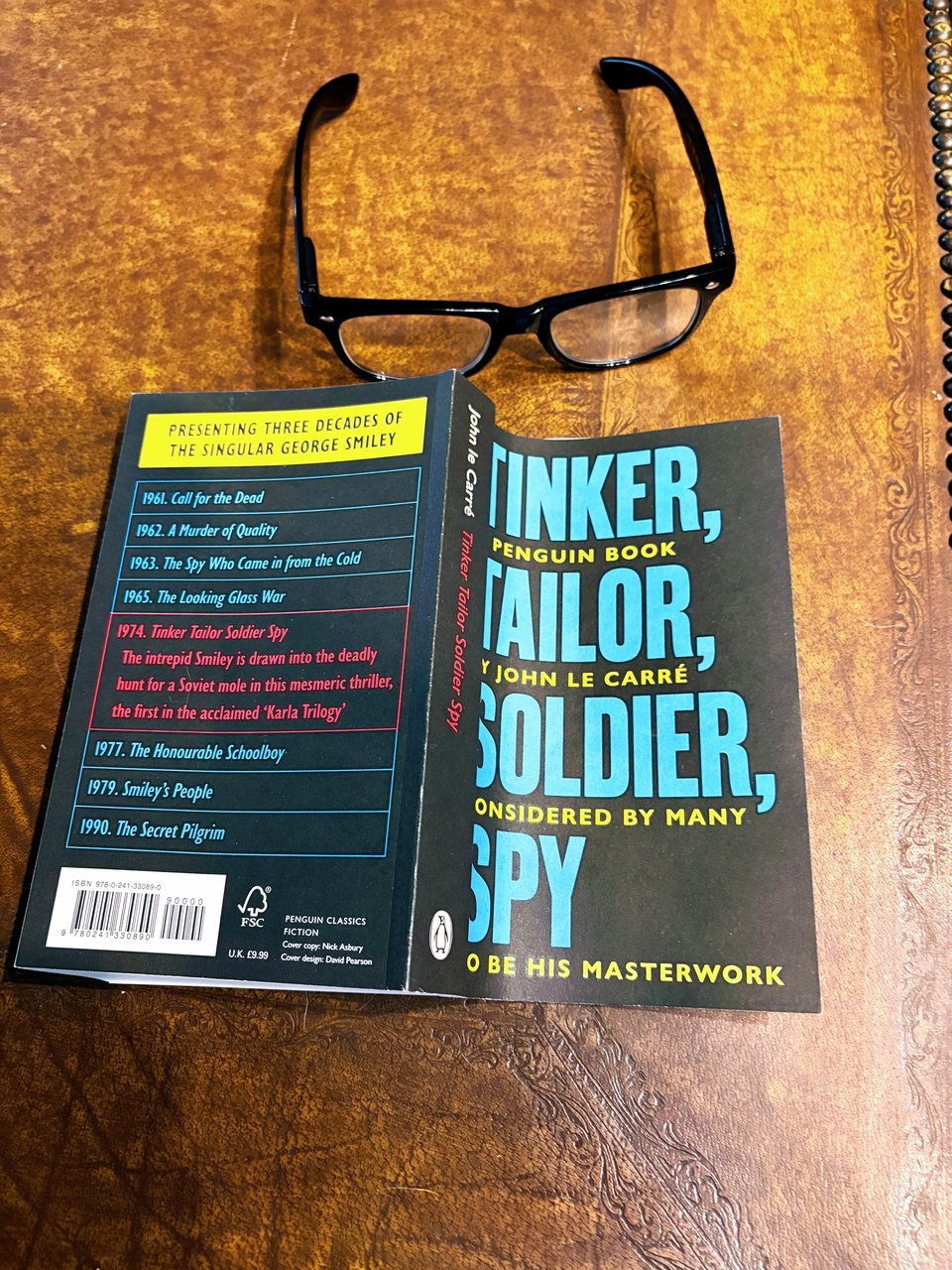
There’s something about having a character that you want to root for in a story. I tried watching the movie Tinker, Tailor, Soldier, Spy a while back and didn’t make it through the first 10 minutes. Now that I know George Smiley, the book has me hooked.

For me, that’s the main difference between books and television. I feel a much deeper connection with the characters in books than I do with characters on a screen.

And since we learn through story, books end up being a more impactful learning experience for me than television.

Just my opinion.

Dispatch No. 6

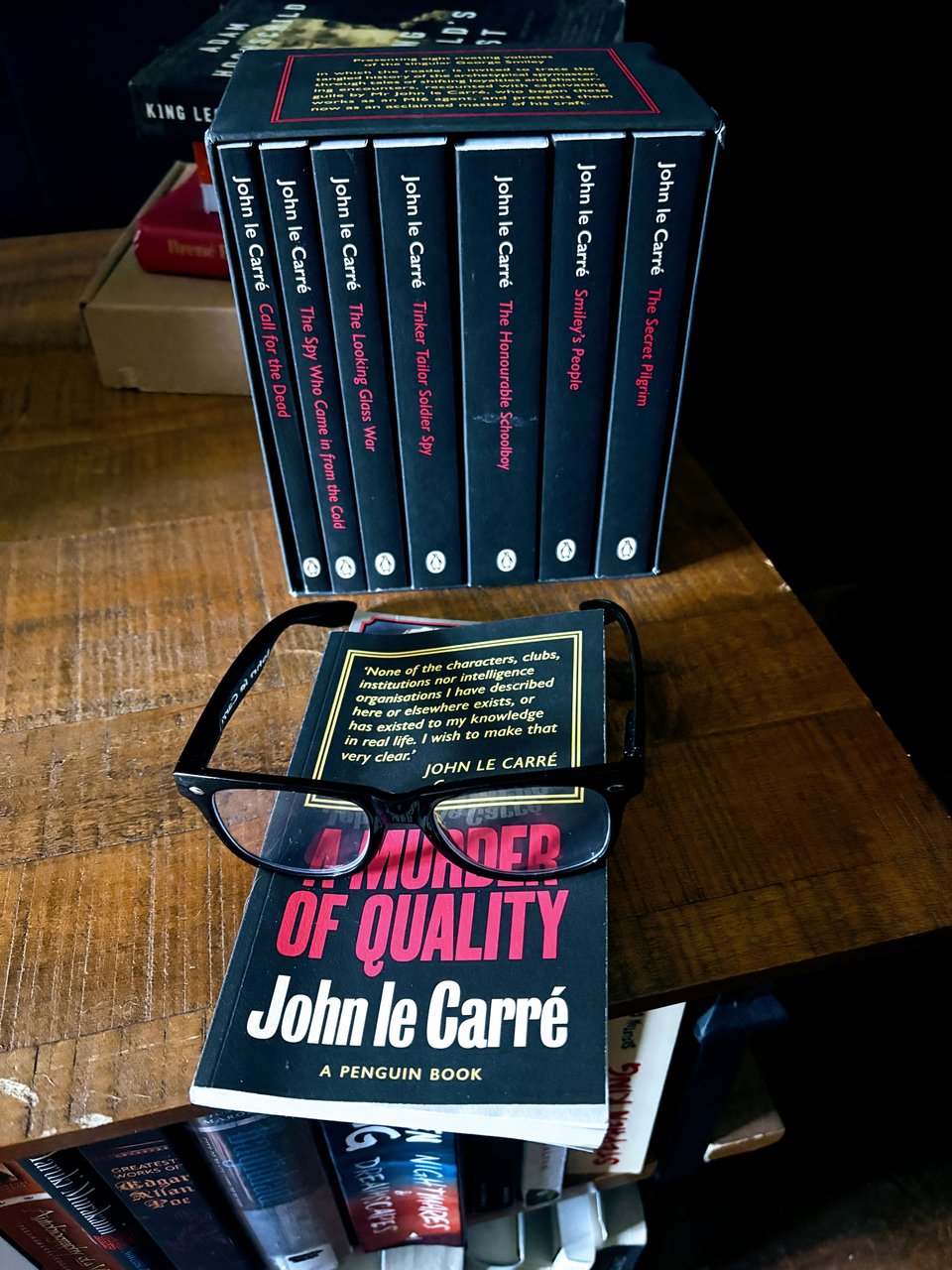
The George Smiley box set by John le Carré arrived yesterday. I'm halfway through A Murder of Quality, and it doesn't disappoint. Every chapter has at least one subtle clue that keeps me guessing. And plenty of British sayings to research along the way. Solid read.

Dispatch No. 5

I have a natural resistance to lists and planners because they represent a commitment. And often, if I'm being honest about it all, that's exactly what's required to get things moving in the right direction.

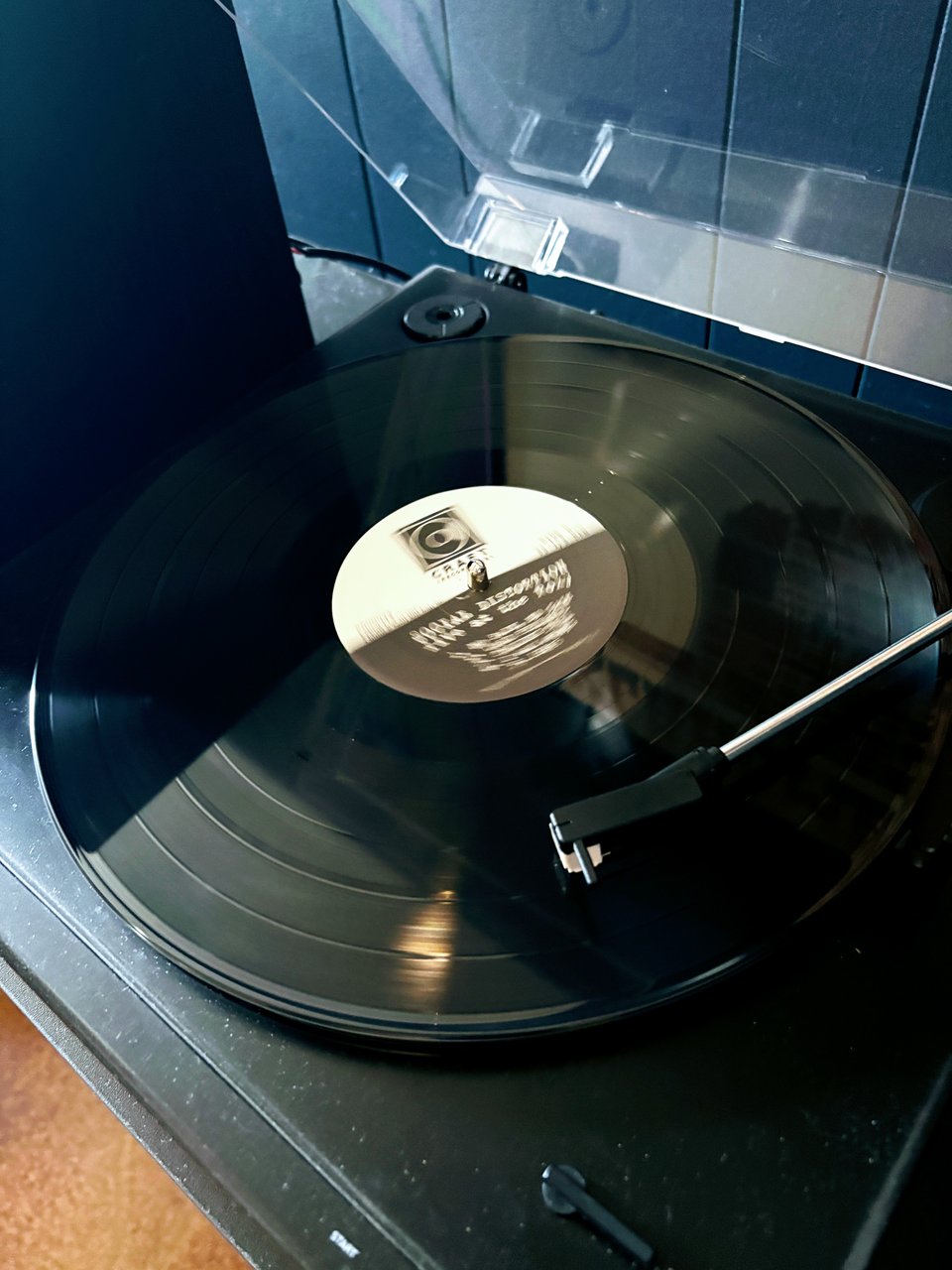
And some Social Distortion to set the tone for the day.

Dispatch No. 4

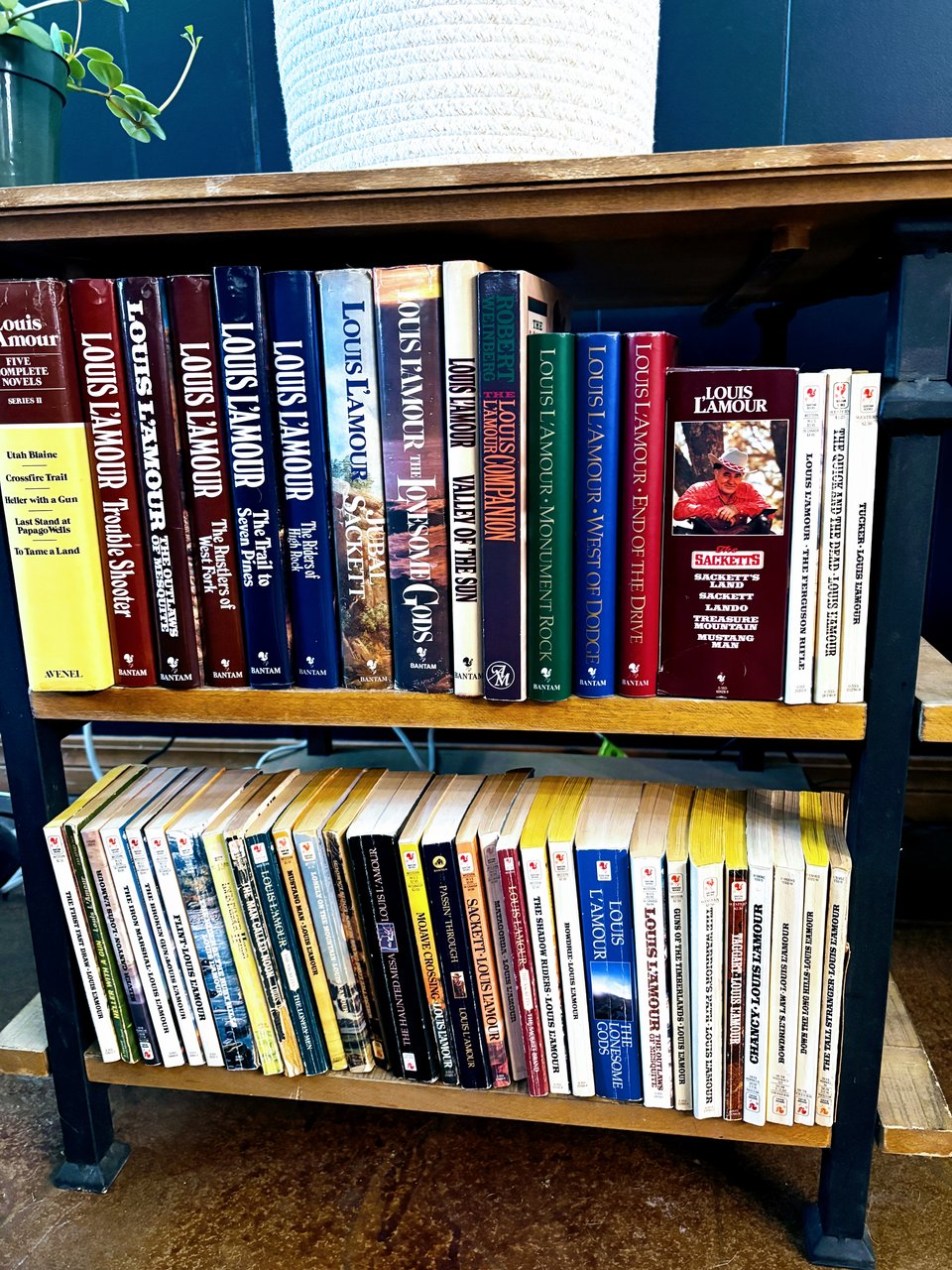
Louis L’Amour’s weekly to-do lists are fascinating. Seeing Zen Buddhism on the reading list surprised me at first, but it makes sense. The protagonists in his novels are minimalists, deeply in tune with themselves and their environment.

(source: Art of Manliness)

Dispatch No. 3

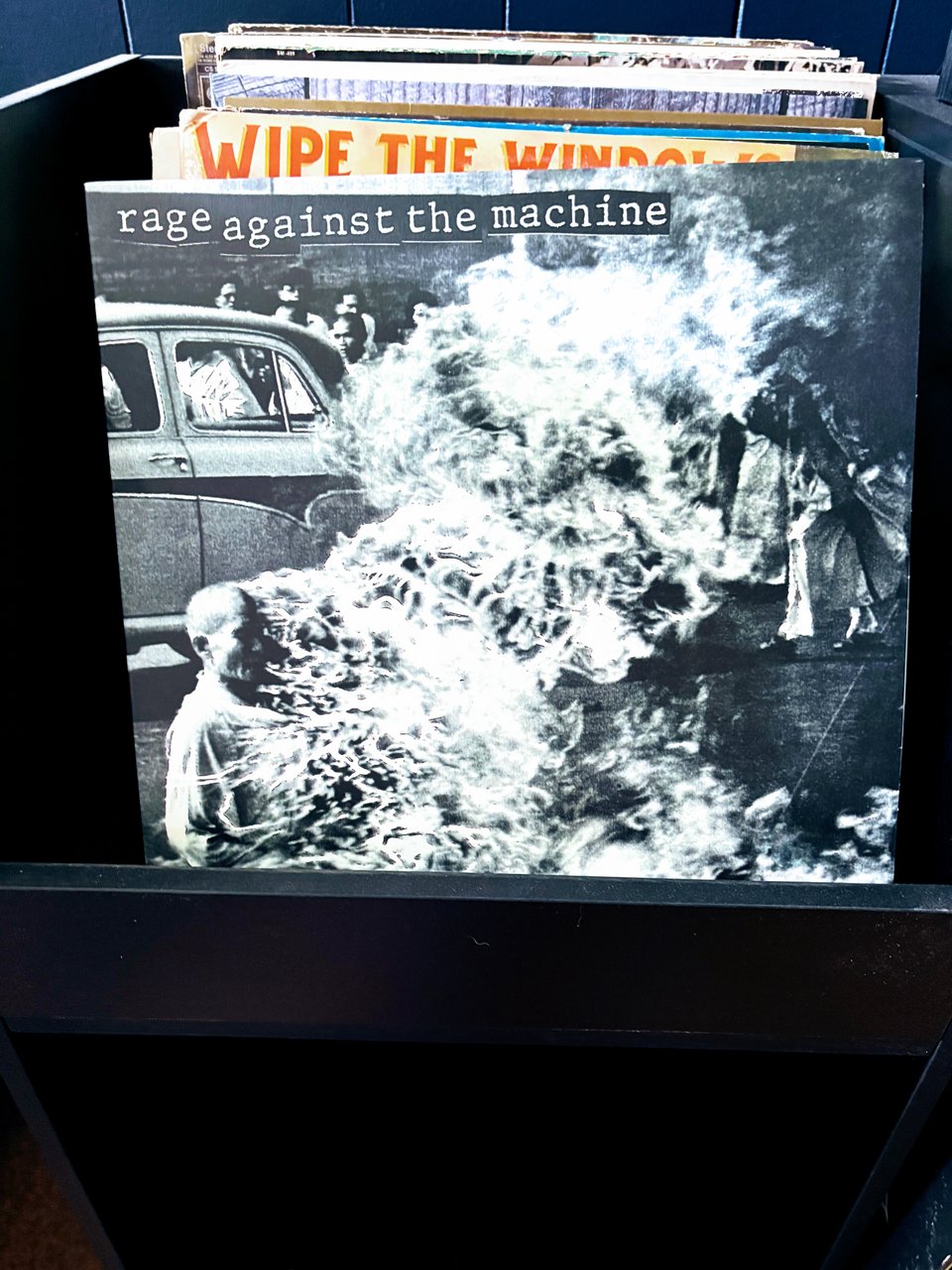
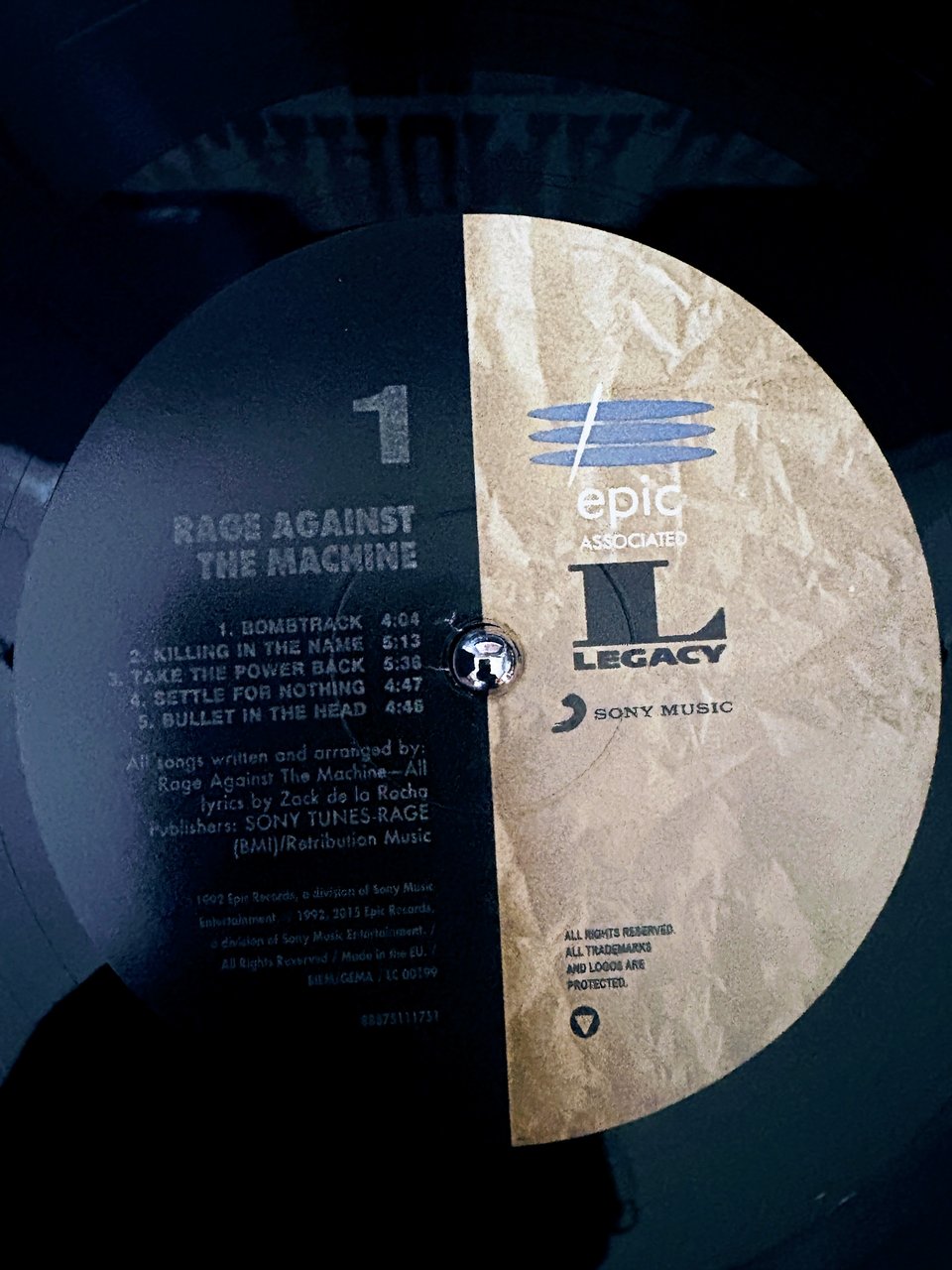
Every song on this album rocks. It's one of the CDs I kept on rotation in my car for at least a decade.

What we don’t know keeps tha contracts alive an movin’

They don’t gotta burn tha books they just remove ’em

Bulls on Parade

Dispatch No. 2

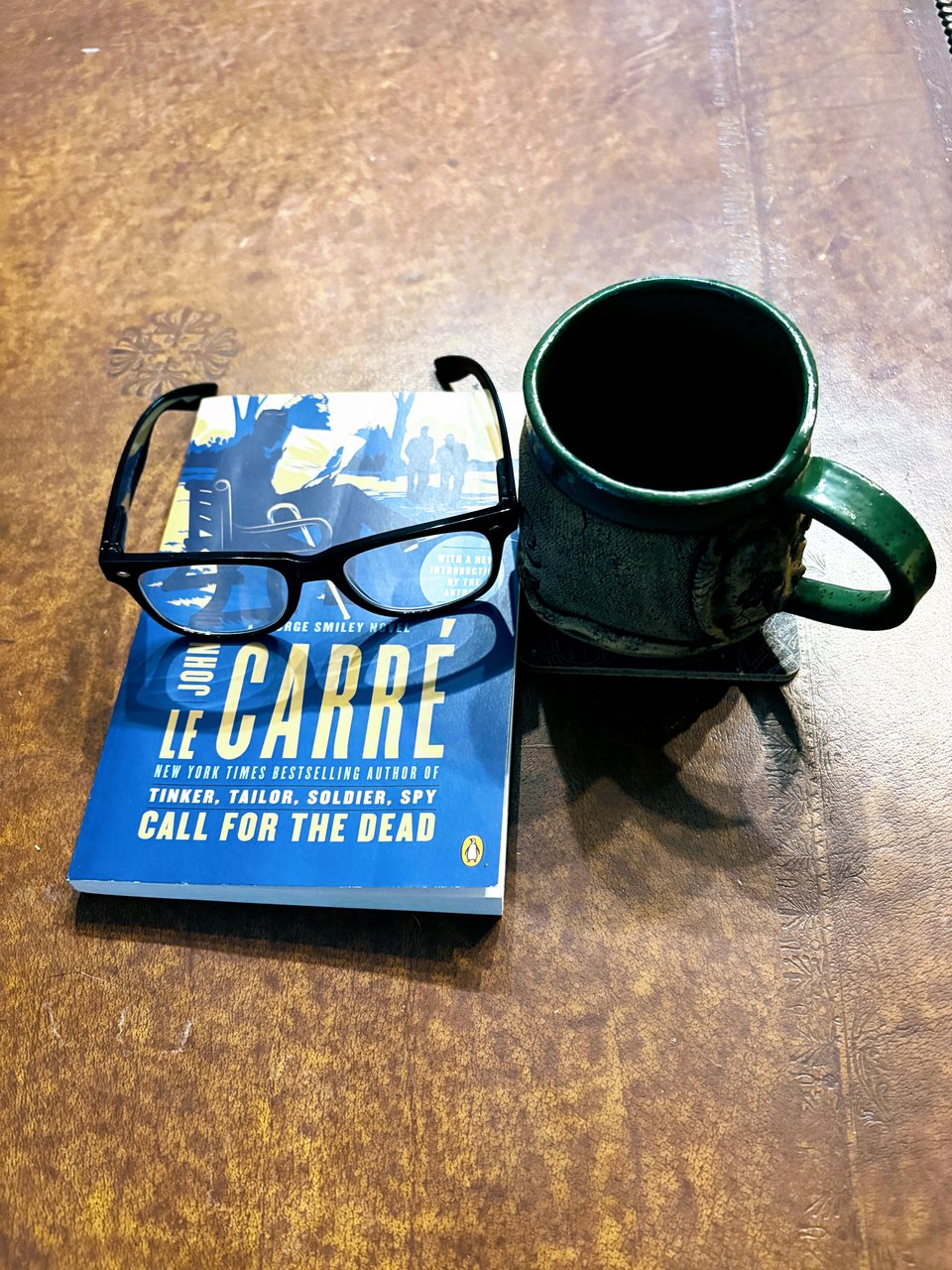
Call for the Dead is John le Carré's first published novel and introduced the world to George Smiley, a middle-aged man who comfortably blends into the background and who just happens to be the most clever man in any room.

It has the feel of a cozy murder mystery with a master spy in the lead instead of a police detective. I'm into it. I ordered the George Smiley box set.

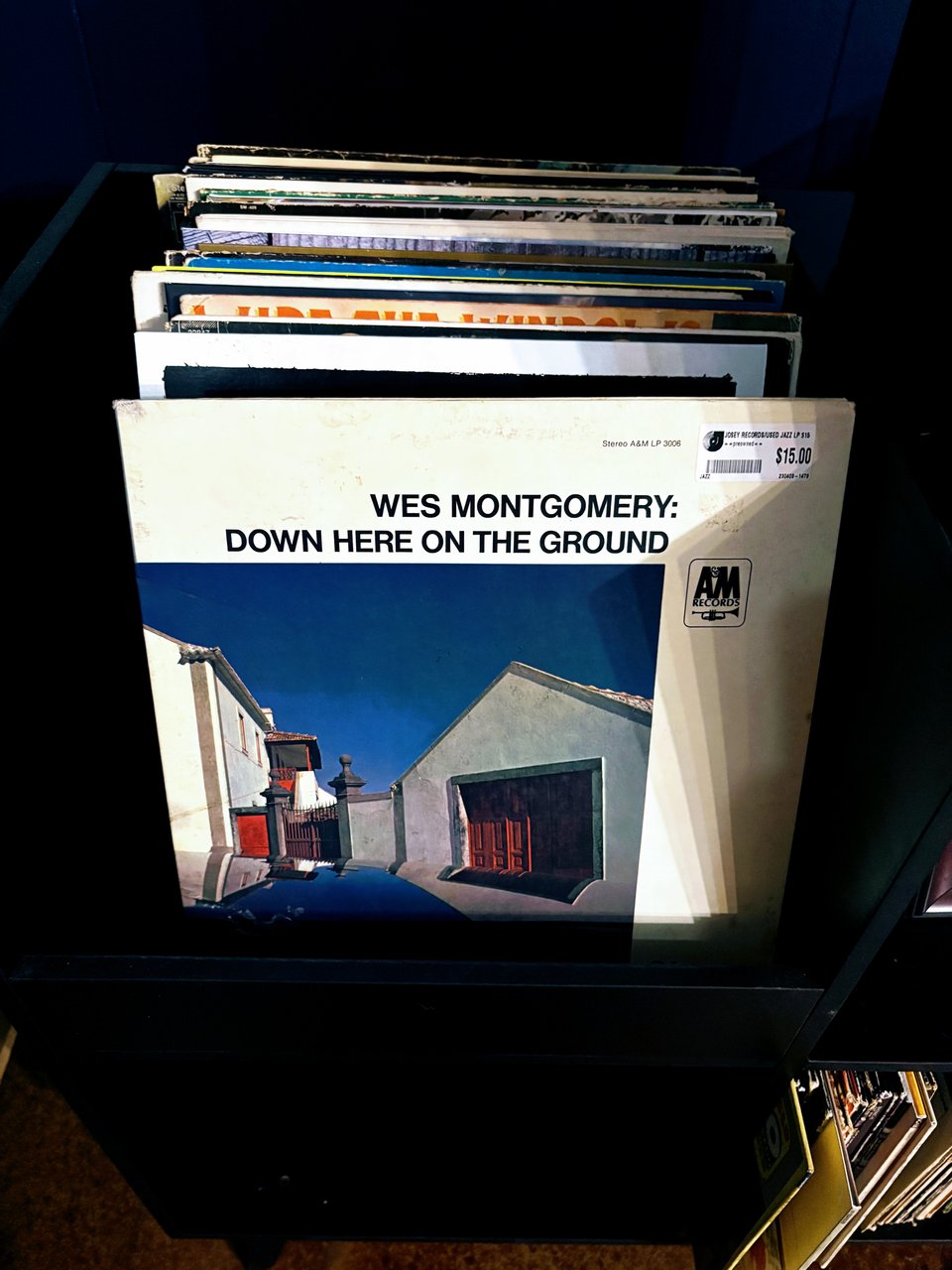
And you can't beat the smooth grooves of Wes Montgomery for the morning reading soundtrack.

Dispatch No. 1

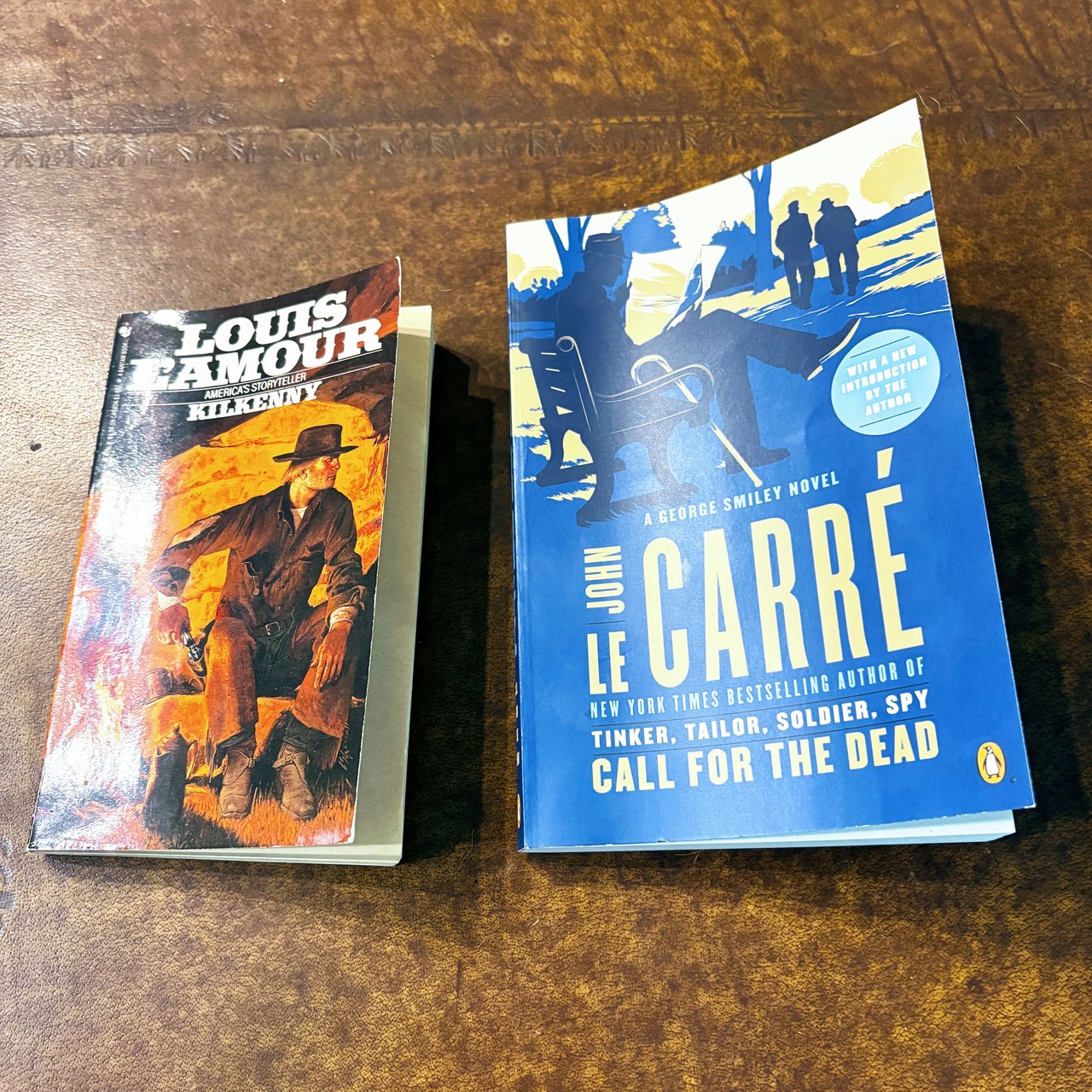
John le Carré and Louis L'Amour have more in common than I expected. Both write vivid, memorable characters, and both take a moment to say something true about people.

Was he rich or poor, peasant or priest? Where had she got him from? The incongruity of the match was emphasized by Lady Ann's undoubted beauty, its mystery stimulated by the disproportion between the man and his bride. But gossip must see its characters in black and white, equip them with sins and motives easily conveyed in the shorthand of conversation.

— John le Carré, Call for the Dead

Aside from the presence of Nita Riordan and the fact that he had killed Tetlow’s son, Kilkenny’s sympathies were with the small ranchers, the men who were building homes rather than empires. For one man to grow so large as Tetlow meant many men must remain small or have nothing. The proper level lay between the two extremes, and this was the American way.

—Louis L’Amour, Kilkenny